
Our Mission and Purpose
The Whole Elephant perspective is a powerful metaphor that underscores the importance of valuing multiple viewpoints to gain a complete understanding of any given situation.
It originates from the parable of the blind men and the elephant, where each man, touching only one part of the animal, insists his perspective defines the whole. The lesson is clear: true understanding requires integrating diverse perspectives.
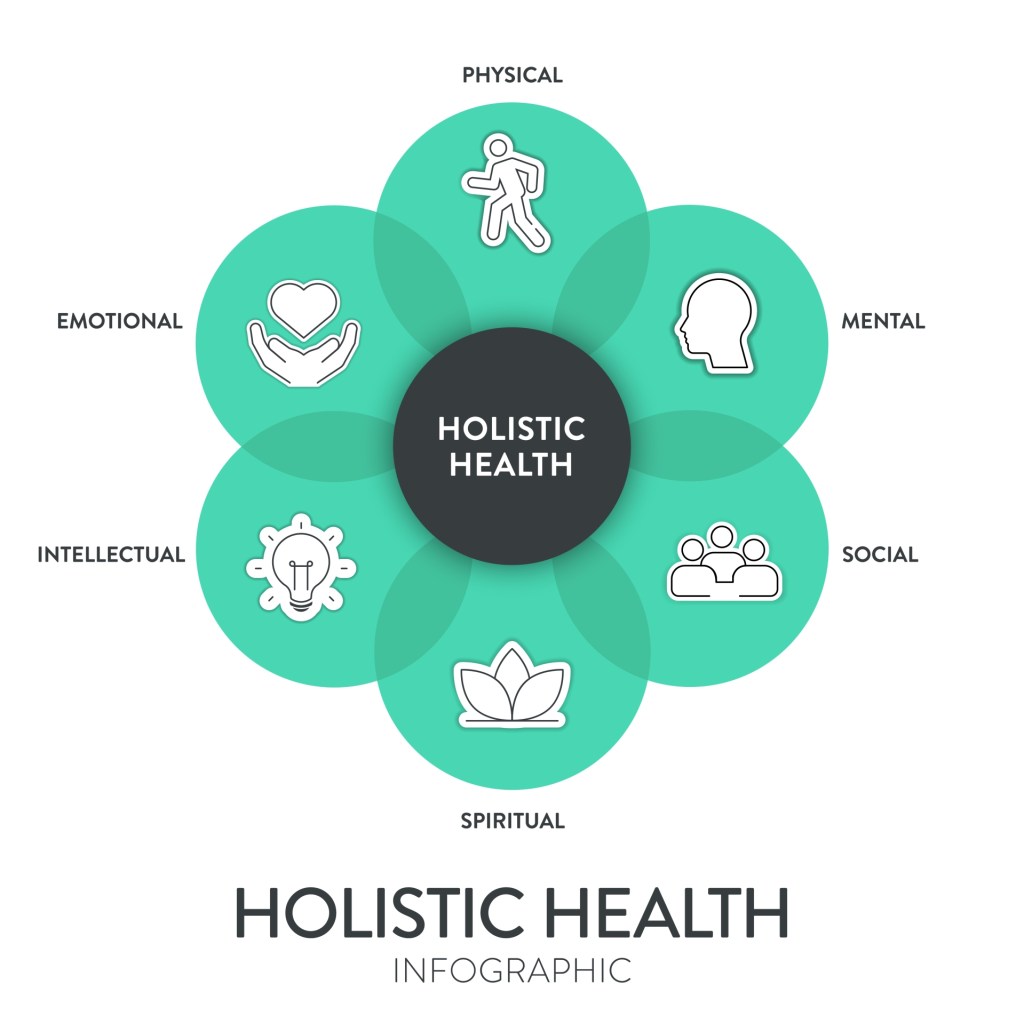
When applied to children, a Whole Elephant approach means recognizing them as more than just students—it means seeing them as complex, multidimensional individuals with educational, mental, emotional, social, physical, and behavioral needs.
It is about walking into a classroom and not just seeing learners but fully appreciating the social and emotional beings they are.

For minoritized youth living in areas of concentrated poverty, this perspective is especially critical.
These children often navigate systemic barriers that compound their challenges, including food and housing insecurity, community violence, underfunded schools, and limited access to healthcare and mental health services. Their needs are complex and interconnected, requiring a response that moves beyond a one-size-fits-all approach.
A Whole Elephant framework acknowledges these systemic inequities and calls for an interdisciplinary approach that draws on the expertise of multiple professionals to provide holistic, individualized support. It is collaborative, innovative, and creative—tailored to each child’s unique strengths and challenges to foster their overall well-being and long-term success.

 The Whole Elephant